

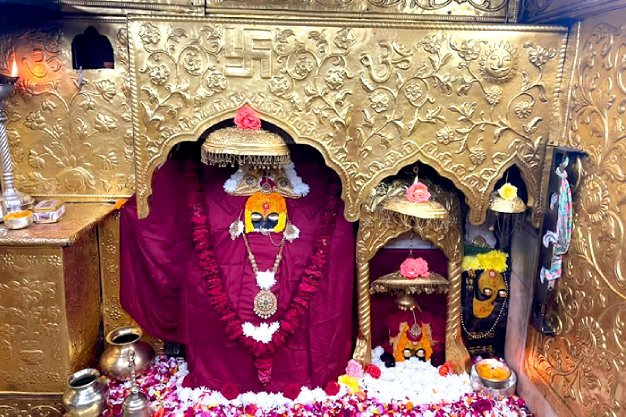
Naina Devi is one of the most revered Hindu pilgrimage destinations in northern India. Located in the Bilaspur district of Himachal Pradesh, this sacred temple attracts thousands of devotees throughout the year. Known as one of the important Shakti Peeths, the temple holds immense religious significance and offers breathtaking views of the surrounding hills. Whether you are planning a spiritual journey or exploring religious tourism in Himachal Pradesh, understanding the history and importance of this temple can make your visit more meaningful.
1. Location of Naina Devi Temple
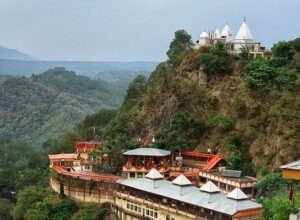
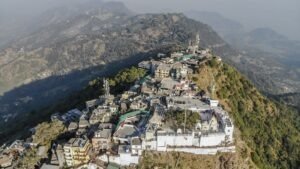
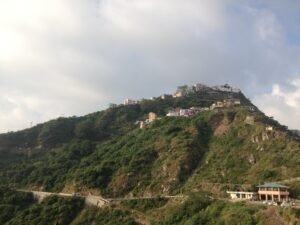
The temple is situated on a hilltop in the Bilaspur district of Himachal Pradesh at an elevation of approximately 1,200 meters above sea level. Its strategic location offers magnificent views of the surrounding mountains and the Gobind Sagar Lake.
Pilgrims from Punjab, Haryana, Delhi, and other neighboring states frequently visit this holy destination due to its accessibility and spiritual importance.
Why the Location Matters
The elevated setting creates a peaceful atmosphere that enhances the spiritual experience. The natural beauty surrounding the temple adds to its appeal as both a pilgrimage and travel destination.
2. Religious Significance of the Temple
The temple is dedicated to Goddess Naina Devi, a manifestation of Goddess Shakti. Devotees believe that prayers offered here bring blessings, protection, and prosperity.
Many visitors undertake the journey to seek spiritual guidance, fulfill vows, or express gratitude for blessings received.
A Powerful Place of Worship
The temple has been a center of faith for centuries. Its sacred atmosphere attracts people from various regions and backgrounds.
3. Connection with the Shakti Peeths
One of the most important facts about naina devi is its status as a revered Shakti Peeth. According to Hindu mythology, the eyes of Goddess Sati are believed to have fallen at this location.
This association makes the temple one of the most significant pilgrimage sites dedicated to the Divine Mother.
Mythological Importance
The legend of Sati and Lord Shiva is deeply connected to the temple’s identity and spiritual value, making it a must-visit destination for devotees.
4. Historical Background
The history of the temple dates back several centuries. Various local legends and historical records suggest that the shrine has long been an important center of worship.
Over time, rulers and devotees contributed to the development and maintenance of the temple, ensuring its continued importance as a religious landmark.
Growth Through Generations
Generations of pilgrims have helped preserve the temple’s traditions and spiritual heritage, making it one of the most respected temples in the region.
5. Architecture and Temple Complex
The temple showcases traditional North Indian temple architecture. Despite modern improvements, the shrine maintains its spiritual essence and cultural authenticity.
Visitors are welcomed by beautifully designed entrances, sacred idols, and well-maintained pathways.
Key Features of the Complex
| Feature | Description |
|---|---|
| Main Shrine | Dedicated to Goddess Naina Devi |
| Hilltop Setting | Offers panoramic mountain views |
| Ropeway Facility | Convenient access for visitors |
| Prayer Areas | Dedicated spaces for worship |
| Viewing Points | Scenic locations around the temple |
6. Temple Timings and Best Time to Visit
The temple generally remains open throughout the year. Morning hours are often preferred by devotees seeking a peaceful darshan experience.
The months between March and October are considered particularly favourable due to pleasant weather conditions.
Seasonal Experience
Summer offers comfortable sightseeing opportunities, while festival periods provide a vibrant spiritual atmosphere.
7. How to Reach the Temple
Reaching naina devi is relatively convenient. The temple is well connected by road networks from major cities in North India.
Visitors can travel by train, bus, or private vehicle. From the base area, they may either climb the stairs or use the ropeway facility.
Transportation Options
Road transport remains the most popular option. The ropeway is especially useful for elderly visitors and families.
8. Festivals Celebrated at Naina Devi
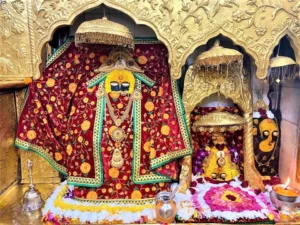
The temple becomes especially vibrant during Navratri celebrations. Thousands of devotees gather to participate in prayers, rituals, and cultural activities.
Special arrangements are made to accommodate the increased number of visitors during these important occasions.
Navratri Significance
Navratri remains one of the most important festivals associated with the temple, drawing pilgrims from across India.
9. Nearby Attractions
Several attractions near the temple can enhance your travel experience. These destinations provide opportunities for sightseeing and relaxation.
Popular nearby places include Gobind Sagar Lake, Anandpur Sahib, and scenic viewpoints in the surrounding hills.
Combining Pilgrimage with Tourism
Many travelers choose to explore nearby destinations along with their temple visit, creating a well-rounded travel itinerary.
10. Important Tips for Visitors
Planning ahead can make your journey more comfortable and rewarding.
Practical Travel Advice
- Start early to avoid crowds.
- Wear comfortable footwear.
- Carry drinking water.
- Follow temple guidelines and traditions.
- Check weather conditions before traveling.
- Keep sufficient time for darshan during festivals.
Respecting local customs and maintaining cleanliness helps preserve the sanctity of the temple.
Conclusion
Naina Devi stands as one of the most significant spiritual destinations in Himachal Pradesh. From its sacred connection to the Shakti Peeth tradition to its scenic hilltop location, the temple offers a unique blend of faith, history, and natural beauty. Whether you are a devoted pilgrim or a traveler interested in cultural heritage, visiting this revered shrine can be a deeply memorable experience.