

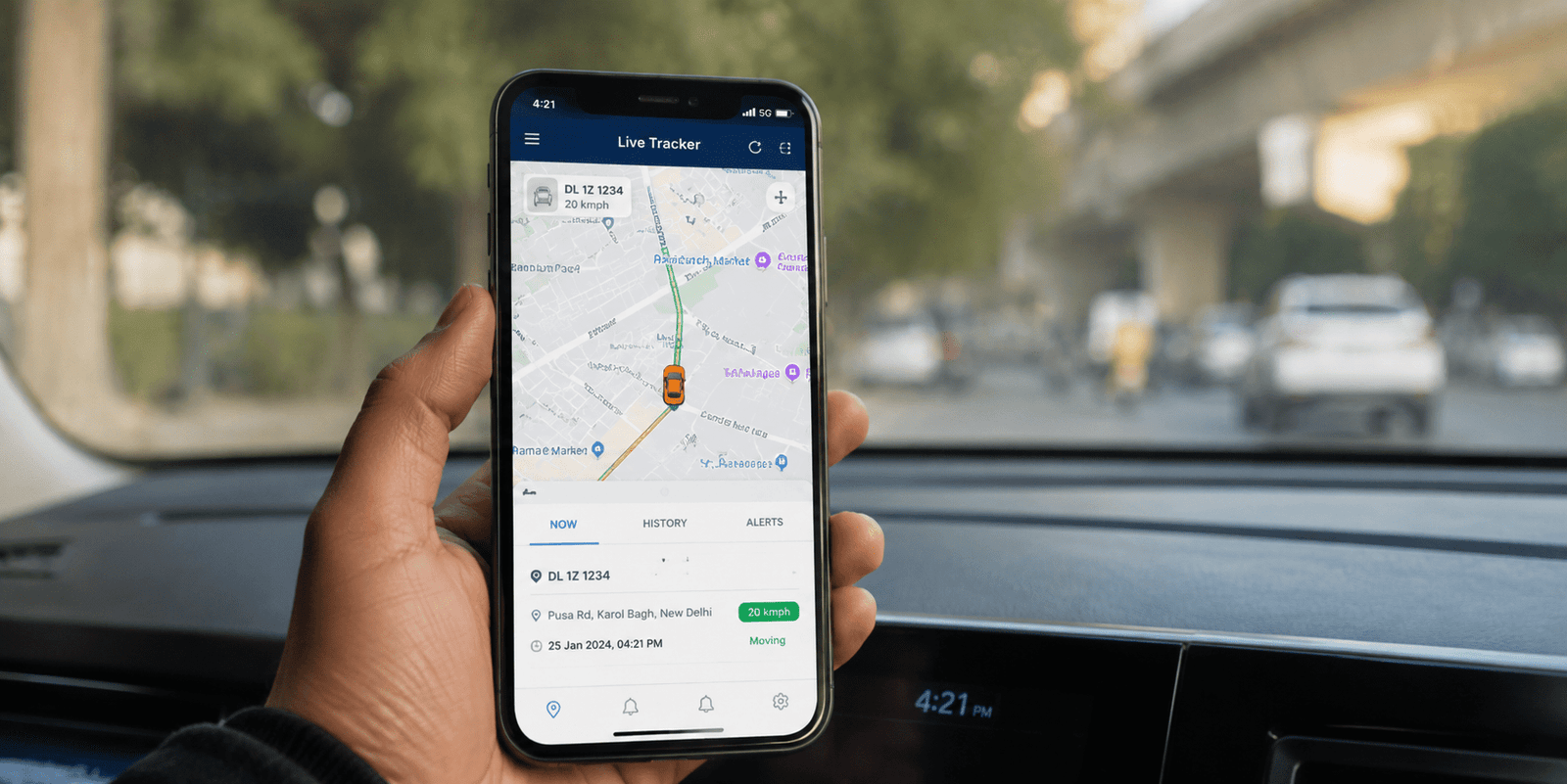
Location tracker technology has transformed the way people monitor locations, improve safety, and stay connected. Whether you want to keep track of family members, manage business vehicles, or find a lost smartphone, modern tracking solutions offer accurate and real-time information.
With advancements in GPS, mobile networks, and cloud technology, tracking systems have become more reliable and user-friendly. Today, millions of people use location-based services for navigation, security, and everyday convenience.
What Is a Location Tracker?
A location tracker is a technology-based system that identifies and monitors the position of a person, vehicle, smartphone, or asset in real time. It typically uses GPS satellites, mobile networks, Wi-Fi signals, or a combination of these technologies to determine an accurate location.
Modern tracking systems are commonly used for navigation, fleet management, family safety, outdoor activities, and emergency situations. Many smartphones now include built-in tracking capabilities, making location monitoring more accessible than ever.
How Does a Location Tracker Work?
A tracking system works by collecting location data and transmitting it to a connected platform. Most solutions rely on GPS satellites to calculate precise coordinates.
GPS Technology
GPS receivers communicate with multiple satellites orbiting the Earth. By analyzing signals from these satellites, the system can calculate an exact position.
Mobile Network Support
When GPS signals are weak, such as indoors, mobile towers help estimate location. This improves tracking reliability in urban environments.
Cloud-Based Monitoring
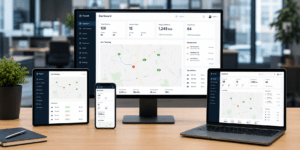
Many modern platforms send location information to cloud servers. Users can then access real-time updates through mobile apps or web dashboards.
Key Features of Modern Tracking Solutions
Today’s tracking systems offer much more than simple location monitoring. They include advanced tools designed for convenience, safety, and efficiency.
| Feature | Purpose | Benefit |
|---|---|---|
| Real-Time Tracking | Live location updates | Improved visibility |
| Geofencing | Virtual boundary alerts | Better security |
| Location History | Stores past movements | Activity monitoring |
| Emergency Alerts | Sends urgent notifications | Faster response |
| Multi-Device Support | Tracks multiple users | Easy management |
These features make modern tracking solutions suitable for both personal and business use.
Benefits of Using a Location Tracker
Tracking technology provides several practical advantages for individuals and organizations.
Enhanced Personal Safety
Parents often use tracking apps to monitor children’s whereabouts. Similarly, caregivers may use them to support elderly family members who require additional assistance.
Better Asset Management
Businesses rely on tracking systems to monitor vehicles, equipment, and deliveries. This helps improve operational efficiency and reduce losses.
Faster Recovery of Lost Devices
Many smartphones include tracking features that help users locate lost or stolen devices. This can save valuable data and reduce replacement costs.
Improved Travel Experience
Travelers can use navigation and tracking tools to explore unfamiliar locations with confidence. Real-time guidance reduces the chances of getting lost.

Types of Location Tracking Systems
Different tracking solutions are designed for different purposes. Understanding the available options can help users choose the right technology.
Smartphone-Based Tracking
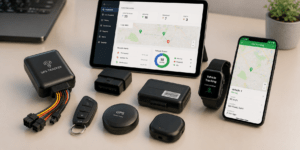
Mobile applications provide convenient tracking through GPS and internet connectivity. These solutions are widely used because they require no additional hardware.
Dedicated GPS Devices
Standalone GPS trackers are commonly used for vehicles, logistics operations, and valuable assets. They often provide higher reliability and longer battery life.
Wearable Tracking Devices
Smartwatches and wearable gadgets can offer location monitoring alongside fitness and communication features. They are particularly useful for children and seniors.
Vehicle Tracking Systems
Fleet operators use specialized systems to monitor routes, fuel usage, and driver performance. These tools improve transportation management.
Privacy and Security Considerations
While tracking technology offers numerous benefits, privacy remains an important concern. Users should understand how their location information is collected and stored.
Use Trusted Applications
Always choose reputable tracking solutions that provide transparent privacy policies and strong security measures.
Enable Permissions Carefully
Review app permissions before granting access to location data. Limiting unnecessary access can reduce privacy risks.
Protect Your Account
Strong passwords and two-factor authentication can help prevent unauthorized access to tracking information.
Understand Data Storage Practices
Check how long providers store location data and whether information is shared with third parties.
Responsible usage helps balance convenience with privacy protection.
Choosing the Right Tracking Solution
Selecting the best tracking system depends on your specific needs.
For Families
Choose solutions that offer live location sharing, emergency alerts, and simple user interfaces.
For Businesses
Look for advanced reporting, fleet management capabilities, and scalable monitoring tools.
For Personal Security
Prioritize reliable GPS accuracy, long battery life, and strong privacy features.
For Travel and Outdoor Activities
Offline navigation support and durable hardware can be valuable in remote areas.
Evaluating these factors will help ensure a better user experience and long-term satisfaction.
Conclusion
A location tracker is an essential technology that supports navigation, safety, asset management, and real-time communication. From smartphones and wearable devices to dedicated GPS systems, tracking solutions continue to evolve and provide greater accuracy and convenience.
By understanding how these systems work, evaluating available features, and considering privacy requirements, users can choose the best solution for their specific needs. As technology advances, location tracker tools will continue to play an important role in both personal and professional environments.